09/05/2026
Will AI Make Specialists Unnecessary?
Will AI make specialists unnecessary?
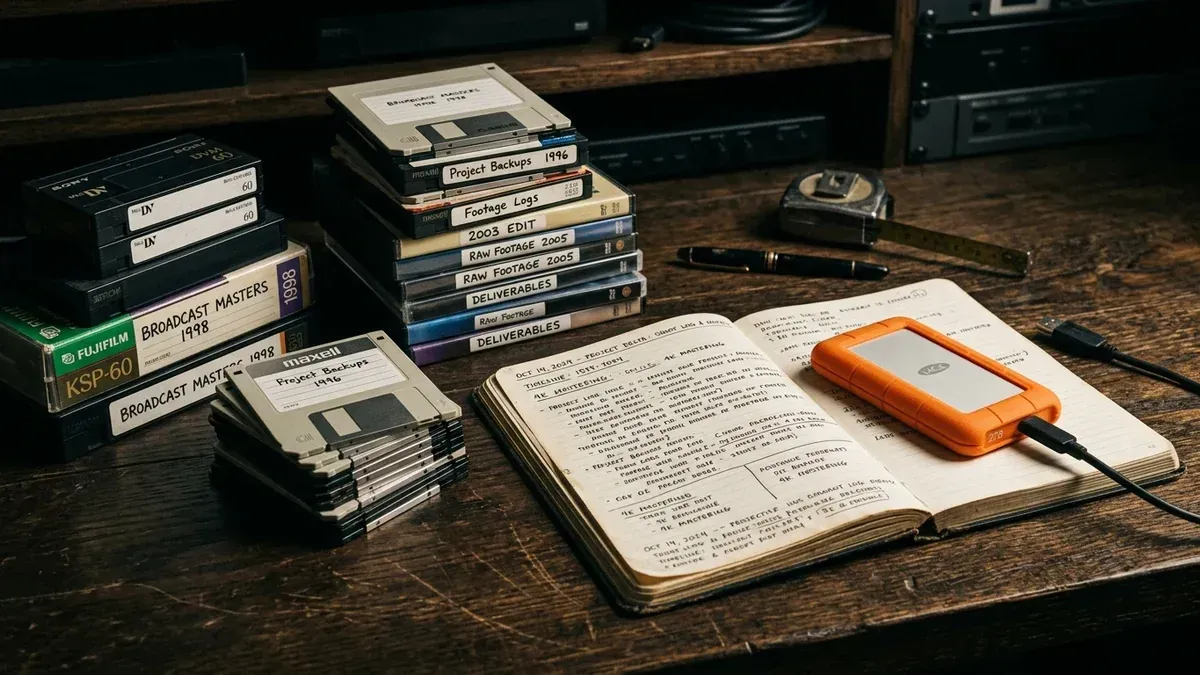
Probably not, if the last four technology waves are any guide. Each one made production cheap and left judgment exactly where it was, and the people who did well were the ones who already knew what good looked like.
I have been in the room for four of these now. Desktop publishing arriving at a newspaper. Non-linear editing arriving at a television station. The web turning every business into a software business, whether it wanted to be or not. And now this.
Each one showed up with the same three claims attached: it will make the work faster, it will make the specialists unnecessary, and if you do not move now you will be left behind. Two of those claims were usually wrong. The third was usually right, but never for the reason anyone gave at the time.
Four waves, one pattern
- Desktop publishingLaying out a page got cheap. Knowing what a page should look like did not.
- Non-linear editingCutting a sequence got cheap. Knowing which cut earns the next thirty seconds did not.
- The webStanding up software got cheap. Knowing what the software should do did not.
- AIA plausible answer got cheap. Knowing whether it is right did not.
Each wave made the making cheap. None of them made knowing what to make any cheaper.
What actually happened, four times
When desktop publishing landed in newsrooms, the promise was that anyone could lay out a page. Anyone could. The pages got worse for about three years, and then they got much better than before. Not because the tool improved, but because the people who understood typography learned the tool, and the people who only knew the tool did not learn typography.
When non-linear editing arrived, the promise was that editing would stop being a craft. It did not. What changed is that the cost of trying a version dropped to nearly nothing, so the good editors tried forty versions instead of three. The gap between a good editor and an average one got wider, not narrower.
When the web made everyone a software business, the promise was that off-the-shelf tools meant you would never need custom systems. Then I spent 2010 to 2013 building a custom ERP, inventory allocation and data-sharing across 57 retail stores for a jewelry chain, because the off-the-shelf answer did not know anything about how that business actually worked. And from 2013 I spent eight years building an insurance platform from nothing for a small brokerage, for the same reason.
That platform is the clearest evidence I have for any of this. It was not valuable because it used impressive technology. It was valuable because it encoded, correctly, how one particular business ran, to the point that it became part of why that business was worth acquiring. (The longer version of that history is on my About page.)
The pattern
Every one of those waves made production cheap and left judgment exactly where it was.
Laying out a page got cheap; knowing what a page should look like did not. Cutting a sequence got cheap; knowing which cut earns the next thirty seconds did not. Standing up software got cheap; knowing what the software should do did not get cheap at all. That is a question about a business, not about software, and it got more valuable, because more people could now build the wrong thing quickly.
That is the whole pattern, and it is why the "specialists become unnecessary" claim keeps failing. The specialist was never being paid for the production. Everyone assumed they were, including sometimes the specialist.
So, this one
I use these tools daily. Not as a research interest, but as the way a meaningful share of my work now gets done, in a job where the results have to survive contact with real systems and real money. (Here is what that looks like on an ordinary day.)
What I notice is that the pattern holds, harder than before. The cost of producing a plausible answer has gone to approximately zero. The cost of knowing whether the answer is right has not moved, and in some places has gone up, because the plausible wrong answer now arrives formatted, confident and fast.
That is not a reason to avoid it. It is a reason to be clear about which half of your job it is doing. If your work is mostly production, this will change your work enormously and you should get very good at it, immediately. If your work is mostly judgment, it will change your day considerably and your value not at all, as long as you keep exercising the judgment rather than delegating it and hoping.
What I would tell a business owner
Three things, and none of them are about tools.
- Find the part of your work that is production, honestly. Most people overestimate how much of what they do is judgment, because production is what fills the day and judgment is what fills the difficult twenty minutes. The twenty minutes is the job.
- Do not buy the thing that promises to remove the difficult twenty minutes. That is the part you are actually paid for, and every wave has sold something claiming to remove it. None of them did.
- Be suspicious of speed as evidence. The fastest technology decision I ever watched go wrong went wrong because it was fast, and fast felt like confidence. The systems I built that lasted were slow to start because somebody insisted on understanding the business first, and that part still cannot be accelerated.
What this does to a business's own technology team is its own question, and Brandager takes it up in how AI is changing small business tech teams.
I do not think this wave is the same as the others. It is faster, it is broader, and it is the first one where the tool produces something that looks like judgment. That last part is genuinely new and I am not going to pretend otherwise.
But I have watched four of these arrive, and every time the people who did well were the ones who already knew what good looked like. That has not stopped being the thing worth having.
FAQ
Will AI replace specialists?
Not the part they are actually paid for. Every earlier wave made production cheap and left judgment where it was, and so far this one follows the same pattern, harder than before.
Should a business owner start using AI now?
If your work is mostly production, yes, and get very good at it immediately. If it is mostly judgment, use it too, but keep exercising the judgment rather than delegating it and hoping.
What is different about AI compared with earlier technology waves?
It is faster and broader, and it is the first one where the tool produces something that looks like judgment. The plausible wrong answer now arrives formatted, confident and fast.
Let my Claude help your Claude
Working out which half of your business this wave will change is what my one-on-one AI guidance sessions are for.