09/14/2026
What to Hand AI, and What to Keep
Which business decisions should you let AI make?
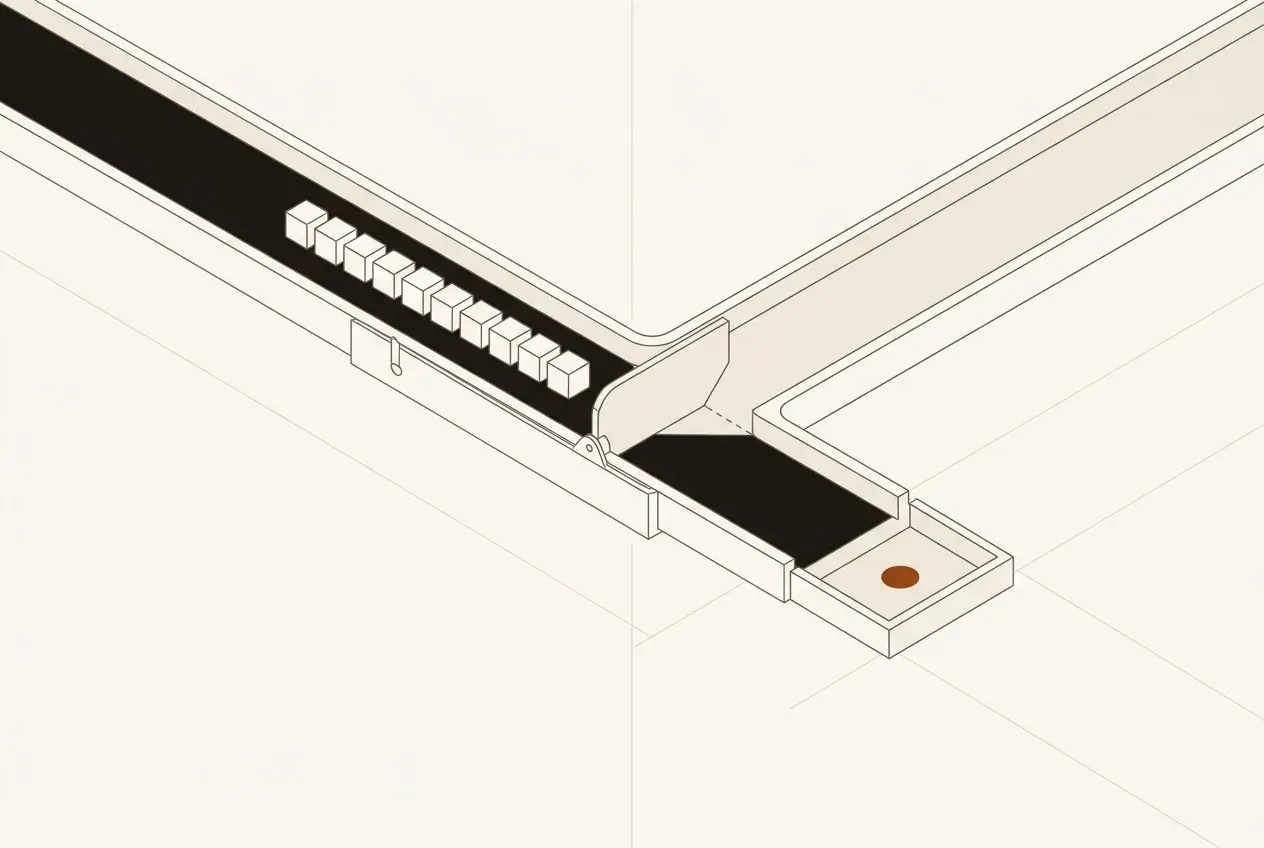
Here's the test I use every day: would I be choosing based on something I know that the AI doesn't? If yes, the decision is mine. If no, the AI should make the call, tell me what it decided and why, and make it easy for me to overrule.
That one question sorts almost everything. It's also the opposite of how most people start with AI, which is either asking it about everything or approving everything it suggests.
The one question
- Yes: I know something the AI doesn't
- The decision is mine.
- No: the AI has the evidence
- It makes the call, says what it decided and why, and makes it easy to overrule.
Decisions to keep
Scope and priorities
What gets done first, and what doesn't get done at all.
Money
Anything that commits spending, pricing or a contract.
Anything customers will see
Public pages, emails, offers and the name of a thing.
Risk to what's already working
Changes that could take down something live, or lose data.
What only you know
Whether you're in the middle of something a change would interrupt, what a client said on the phone, what you promised last week.
These depend on things only you know, so they stay with you.
Decisions to hand over
These follow from evidence the AI already has in front of it:
- Which of two technical approaches is better on the merits.
- How to structure something: the data, the file layout, the order of steps.
- Routine judgment calls inside work you've already approved.
Handing these over doesn't mean trusting blindly. It means the AI decides and explains: what it chose, what that rules out, and what would have to be true for it to be the wrong call. That gives you a real veto without making you redo the analysis.
And for anything it builds, review the work as thoroughly as your goals and time allow. You're handing over a judgment call, not the checking.
The day I couldn't answer my own AI's questions
What taught me this was a well-organized, clearly worded question with numbered options that I still couldn't answer. My AI assistant asked me to choose between two technical approaches, and all I could honestly reply was that I didn't know enough about the details to choose.
The question wasn't unclear. It shouldn't have been asked at all. The AI had the evidence and I didn't, so asking me just handed the reasoning back to the person with the least information. The fix was a standing instruction: make the call, explain it plainly, and ask me only about decisions I actually have a basis to make.
A related surprise: once I had more than one AI session working at the same time, two of them asked me nearly the same question within minutes of each other. If you run several AI tools, decide where questions come to you, or you'll end up answering everything twice.
How to set this up with your own AI
- Tell it the rule once, in its standing instructions: which decisions are yours, and that everything else should come with a recommendation and its reasoning. Claude, ChatGPT and GitHub Copilot all accept standing instructions.
- Ask for the "what would make this wrong" line, every time it makes a call on your behalf.
- Notice when you're rubber-stamping. If you always pick the option it recommended, that decision probably shouldn't have come to you at all.
- Keep the checking. Delegating a decision is not the same as skipping the review.
It works the other way round too. When a decision really is yours, a question you can answer in one keystroke is a good one; I described that way of working in Will We Even Need Admin Panels?
FAQ
Isn't it risky to let AI make any business decisions?
Less risky than pretending to decide questions you can't evaluate. The safeguard is the explanation and your ability to overrule it, not the approval click.
What if the AI makes a bad call?
Its explanation tells you what it assumed. Overrule it, and add that assumption to its instructions so it doesn't repeat it.
Does this work with any AI tool?
Yes. Any assistant that accepts standing instructions can follow it. The rule matters more than the tool.
Let my Claude help your Claude
Setting up these rules is exactly what my one-on-one AI guidance sessions are for: we work out, in your business, which calls stay with you and how to hand off the rest.
Researched and drafted with AI, then reviewed and edited by the site's editors.